How to Choose a Tree Salvage Milling Company in Cincinnati
A good tree salvage milling company owns its own sawmill, reads grain before cutting, kiln-dries or air-dries the lumber properly, and tells you honestly which logs are worth milling. Here is how to vet one in Cincinnati.
Published
Part of our Tree Salvage Milling service.
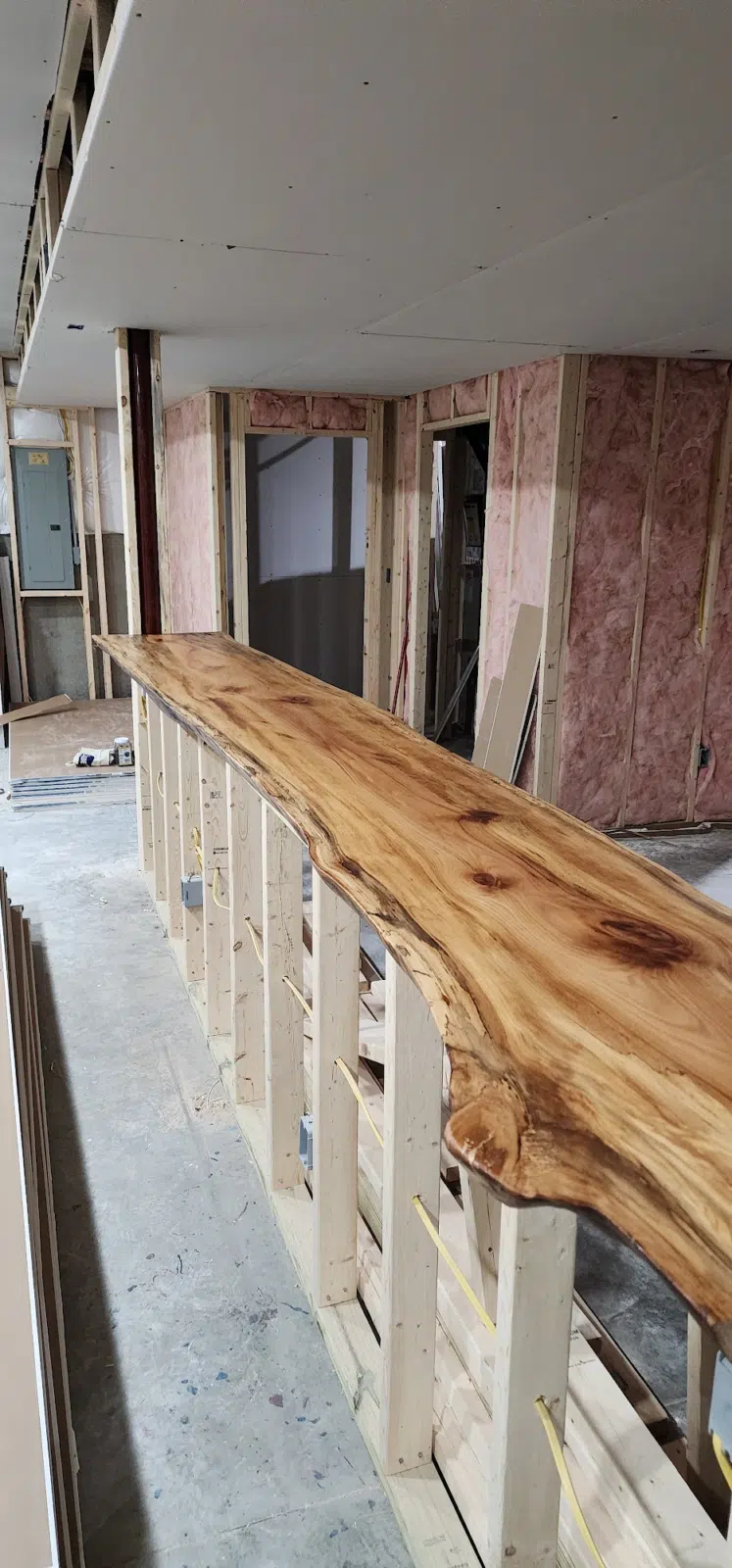
What Tree Salvage Milling Actually Involves
Your tree comes down. The crew leaves the trunk. Now what? This guide comes from Ohio Wood Connection in Cincinnati.
Salvage milling turns that trunk into usable boards. The log gets loaded, cut on a portable or stationary bandsaw mill, stacked with stickers, and dried. Done right, you get live-edge slabs with the character only a local tree can give. Done wrong, you get warped boards and wasted wood.
The difference is the company you pick. Cincinnati yards throw away hundreds of good logs every year. Oak, walnut, maple, sycamore. Most end up as mulch or firewood. A capable miller sees furniture inside that trunk.
How to Choose the Right Milling Company: Step by Step
- Confirm they own and operate their own mill. A company that subcontracts your log adds handling, delays, and risk at every transfer.
- Ask what species they cut regularly. Walnut and white oak behave differently than soft maple. Experience with your species shows in the cut.
- Look at milled slabs, not just photos of logs. Check for clean cuts, consistent thickness, and cracks handled honestly.
- Ask how they dry lumber. Air-drying alone takes years for thick slabs. A kiln or a plan for one matters.
- Get clarity on what happens to slabs you do not want. Some millers buy logs outright. Others mill on shares.
- Ask about slab flattening. A milled slab is still rough and cupped. One shop that mills, flattens, and finishes keeps your project under one roof.
Questions That Separate Real Millers From Middlemen
Ask these before you commit a log.
How thick will you cut it, and can you cut to my project dimensions? A vague answer means a vague slab.
What is your drying timeline for a slab this thick? Two-inch oak air-dries far faster than a four-inch walnut crotch cut. A real miller knows the difference without guessing.
Will you seal the ends? Fresh cuts check and crack fast without anchor seal. This is basic craft. If they skip it, move on.
What happens if the log is hollow or punky inside? Salvage trees are unpredictable. A good miller assesses before cutting, not after.
At Ohio Wood Connection, these conversations happen before the first cut. Honest guidance on whether a log is worth milling is part of the job.
When a Fallen Tree Needs a Professional Instead
Not every tree should be milled. Small trunks, heavy rot, or city trees with embedded hardware often yield more firewood than furniture. A professional miller tells you that before you spend money on a cut that will not hold.
Call a pro when the trunk is over roughly 16 inches in diameter, when the species is furniture-grade hardwood, when the wood has sentimental value, or when you want finished slabs rather than rough lumber. Also call before a tree service hauls the trunk away. Once it leaves the property, the grain is gone.
Cincinnati homeowners can bring logs or photos to our shop at 4450 Emerald Ave. We assess the tree, explain what is inside it, and mill it if it makes sense. Explore our full tree salvage milling service to see the process end to end.
Ready to move forward? See our Tree Salvage Milling service
Related guides
Written by the Ohio Wood Connection team.
How to Choose a Tree Salvage Milling Company in Cincinnati FAQs
What size tree is worth salvaging for lumber?
Trunks roughly 16 inches in diameter and larger yield usable slabs, though clear length matters as much as diameter. Straight sections with fewer branches mill best. Species counts too: walnut, oak, and maple are prime candidates. Bring photos or the log itself to a miller for an honest assessment before cutting.
How long does milled lumber take to dry?
The rule of thumb is about one year of air-drying per inch of thickness, then optional kiln time to finish. A two-inch slab may need several years before it is furniture-ready. Thick live-edge slabs often move to a kiln after air-drying to reach a stable moisture content for indoor use.
Can I have my tree milled on my property in Cincinnati?
Often, yes. Portable bandsaw mills can cut on-site if there is access for the equipment and space to stack and sticker the boards. Tight city lots, slopes, or soft ground can complicate access. Ask the miller to evaluate the site first. Some logs are easier to haul to the shop than to mill in place.
What should I do with the log while I arrange milling?
Keep the trunk off the ground and out of standing water. Leave branches and the bark on until the miller assesses it. If the log was cut recently, ask the miller about sealing the ends to slow checking. The sooner it is milled after felling, the better the grain, especially in warmer months.
Not covered here? Call the shop. Ask your question